

The Bay Area gave American art a different answer.
BAYFig exists to make sure it's heard —
and to sustain the living tradition it started.
Learn about BAYFig ⟶

The Bay Area gave American art a different answer.
BAYFig exists to make sure it's heard —
and to sustain the living tradition it started.
Learn about BAYFig ⟶

The Bay Area gave American art a different answer.
BAYFig exists to make sure it's heard —
and to sustain the living tradition it started.
Learn about BAYFig ⟶

The Bay Area gave American art a different answer.
BAYFig exists to make sure it's heard —
and to sustain the living tradition it started.
Learn about BAYFig ⟶

The Bay Area gave American art a different answer.
BAYFig exists to make sure it's heard —
and to sustain the living tradition it started.
Learn about BAYFig ⟶

The Bay Area gave American art a different answer.
BAYFig exists to make sure it's heard —
and to sustain the living tradition it started.
Learn about BAYFig ⟶
“Art ought to be a troublesome thing.”
—David Park
painter and pioneer of Bay Area Figuration
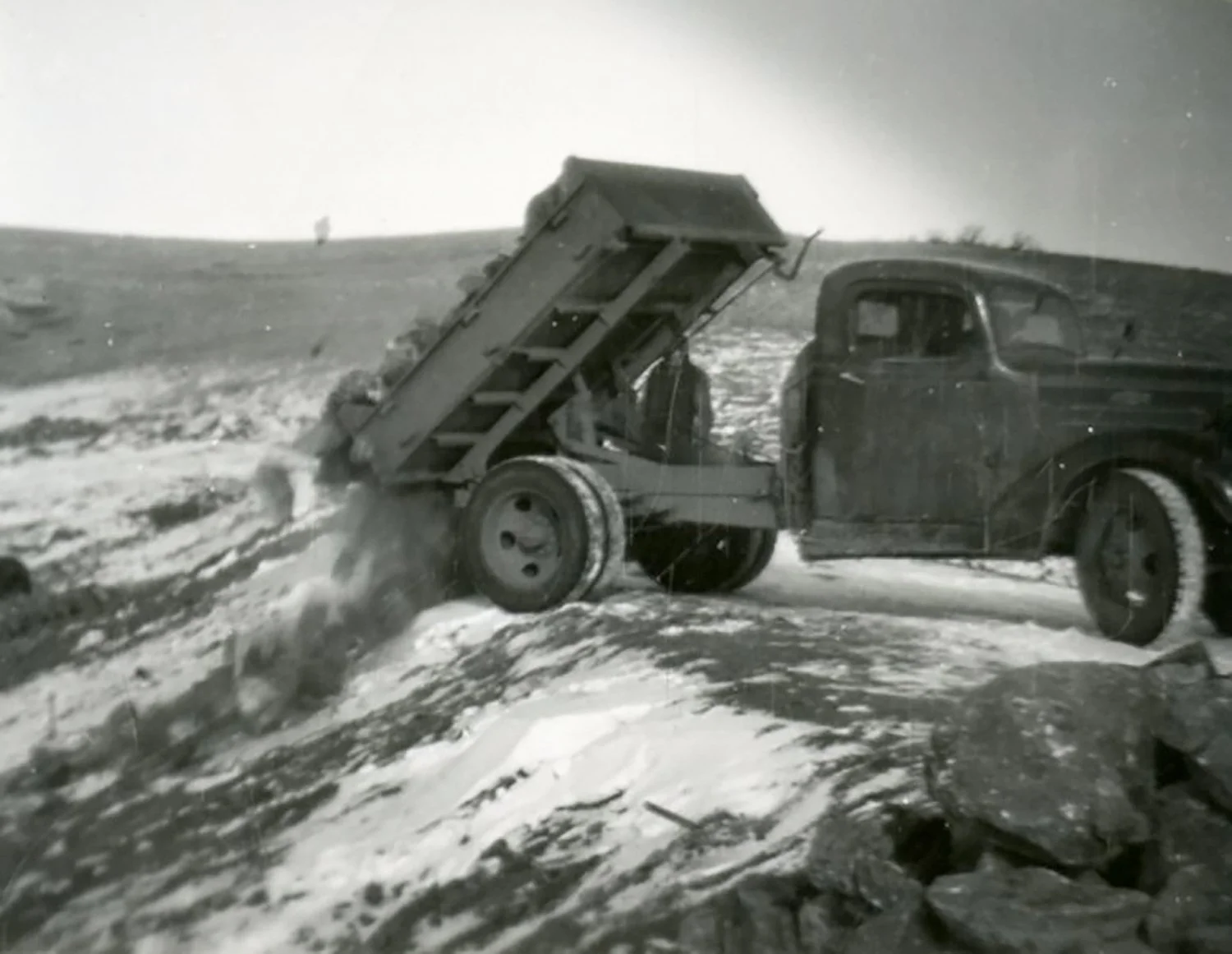
In 1949, David Park did something radical. He loaded his Abstract Expressionist canvases into his car and drove them to the Berkeley dump, where a crane operator dumped two tons of rock onto them. Within a year Park began exhibiting only figurative paintings. That decision—quiet, defiant, deeply personal—became the catalyst for an art movement that re-shaped postwar Bay Area art and culture.
What BAYFig does
HONOR
Reveal the artistic, cultural and sociopolitical context of the 1st and 2nd generation progenitors of the 1950s–60s
EDUCATE
Grow public awareness of the movement's depth, originality and ongoing relevance to art, identity and society
ELEVATE
Float the boat for current and future generations of Bay Area figurative artists continuing this tradition today
-
![]()
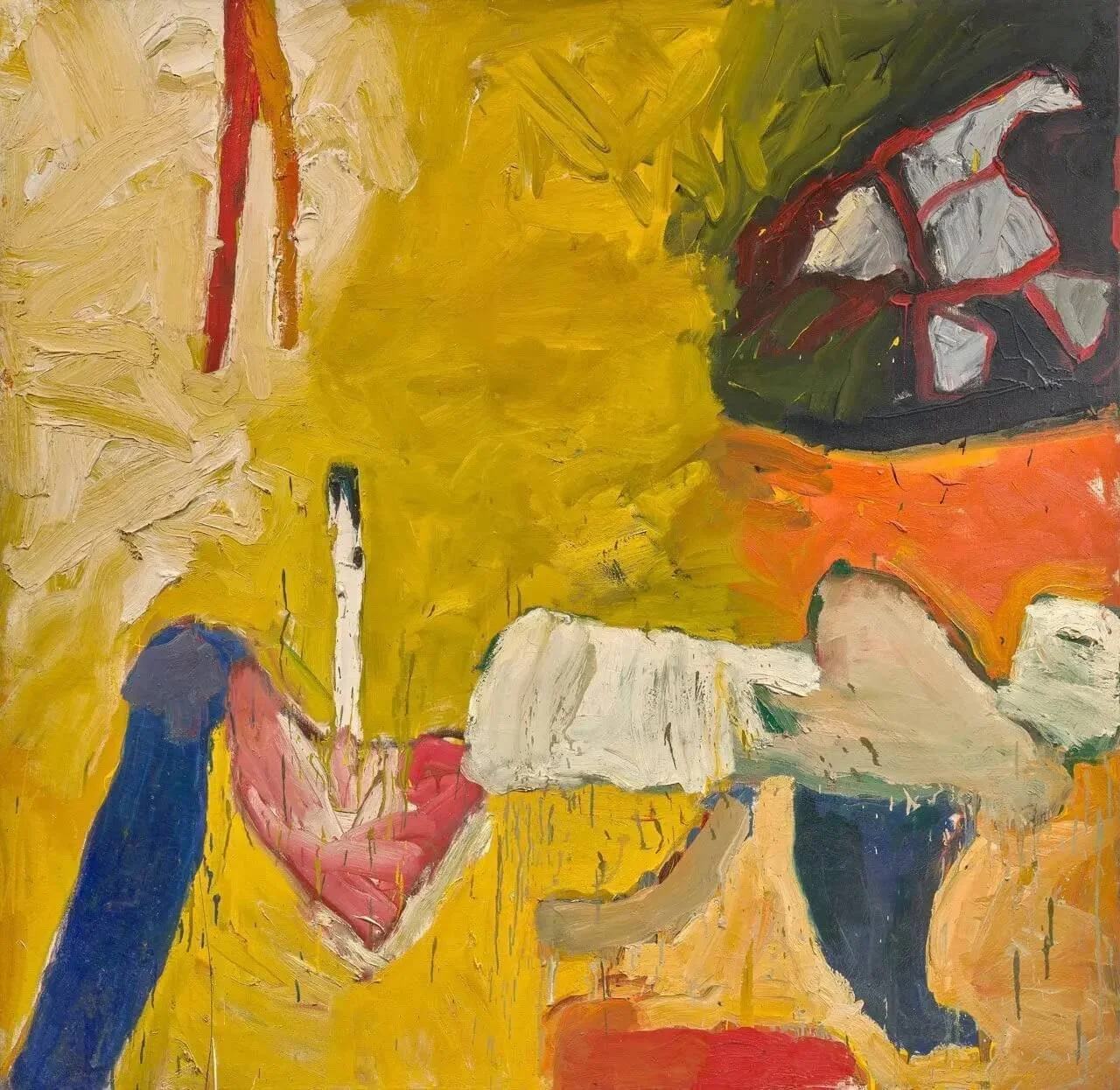
William Theophilus Brown
Swimming Pool, 1963
oil on canvas
46 x 48 inches
San Francisco Museum of Modern Art, Gift of the Hamilton-Wells Collection, 72.42
Image © Estate of Paul Wonner and William Theophilus Brown, Crocker Art Museum, Sacramento. -
![]()
Joan Brown
Swimming Party and Bicycle Ride, 1956
oil on canvas
64-1/4 in. x 66 in.
Crocker Art Museum, gift of George Y. and LaVona J. Blair
© The Estate of Joan Brown -
![]()
Joan Brown
Girl Sitting, 1962
oil on canvas
60 x 47.75 inches
Oakland Museum of California (OMCA)
© The Estate of Joan Brown -
![]()
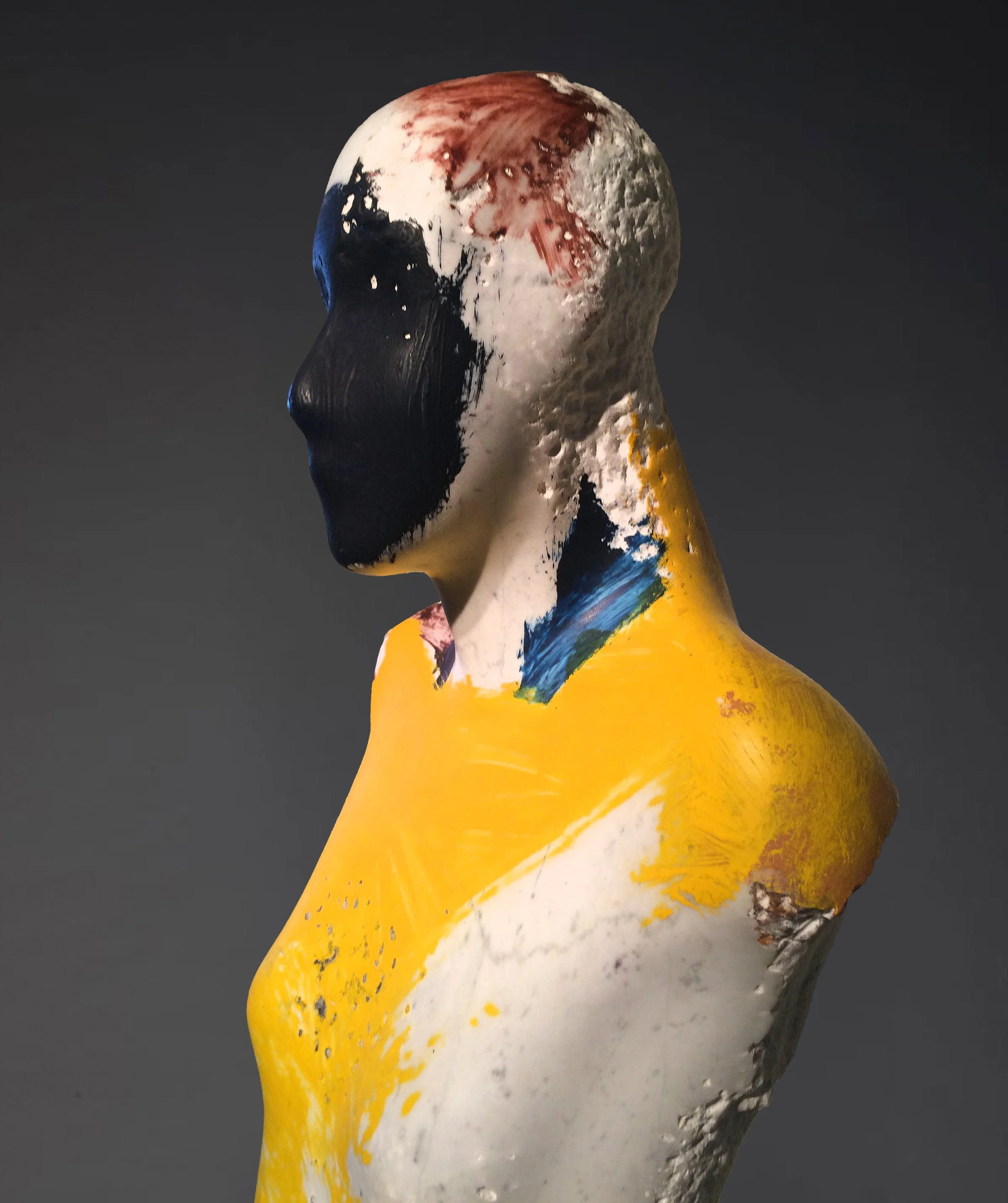
Manuel Neri
Carriona Figure No. 1, 1981
marble
© The Manuel Neri Trust -
![]()
Nathan Oliveira
Spring Nude, 1962
oil on canvas
96 x 76 in.
Collection of the Oakland Museum
© The Estate of Nathan Oliveira -
![]()
Paul Wonner
Figure by Window, 1962
oil on canvas
59 3/4 x 46 3/8 in.
Gift of Harry W. and Mary Margaret Anderson, and Mary Patricia Anderson Pence, 2014.1.001
© Estate of Paul Wonner and William Theophilus Brown, Crocker Art Museum -
![]()
Nathan Oliveira
Untitled, 1961
watercolor on paper
9 x 7 inches
© The Estate of Nathan Oliveira


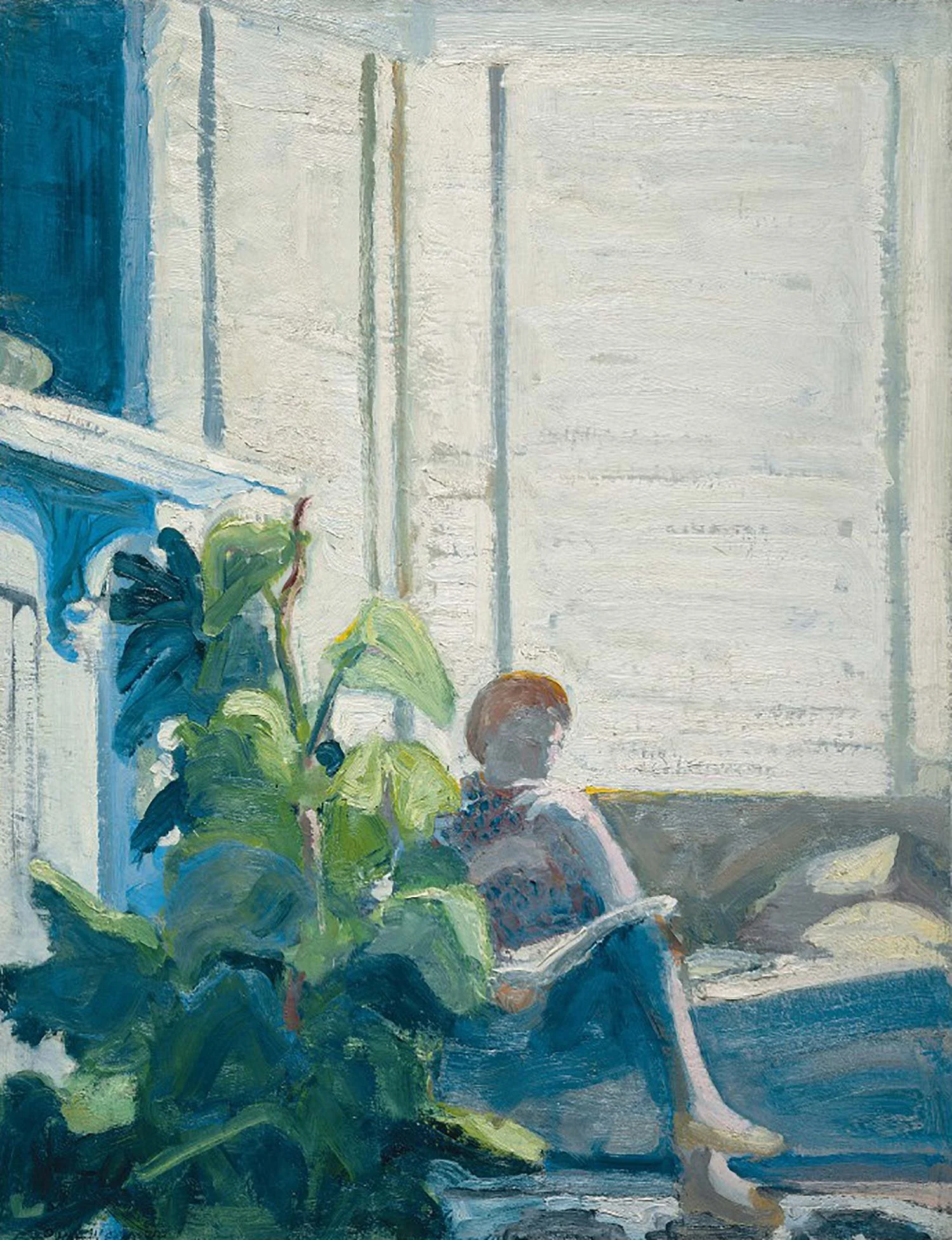

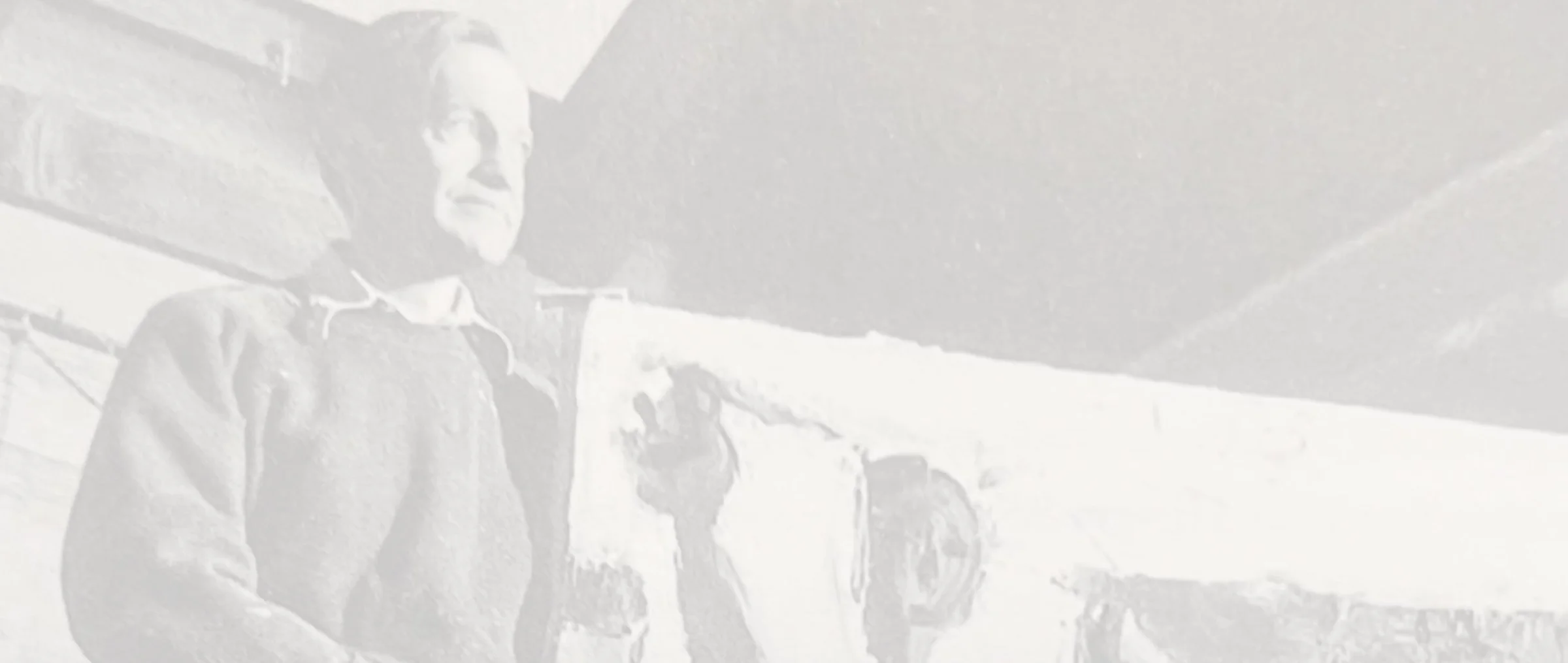
1957 déjà vu
In September of 1957, the exhibition Contemporary Bay Area Figurative Painting, a traveling show developed by Paul Mills of the Oakland Museum, gave a name to the new school of figurative painting that had emerged in the Postwar San Francisco Bay Area. Featuring 36 works by 12 artists, including Elmer Bischoff, Richard Diebenkorn and David Park, the exhibition proved historic and influential. Now, nearly seven decades later the time has come to revisit and reconsider the impact of this moment.
Watch the full story. *

* This Should Not Happen: The First Exhibition of Bay Area Figurative Art
by John Seed
“
The Bay Area Figurative Movement was not just a regional phenomenon; it was a significant chapter in American art history that challenged the dominance of Abstract Expressionism.
—Nancy Boas
art historian and author of David Park: A Painter's Life
Who is part of this?
The Bay Area Figurative Movement emerged at the center of a broader cultural shift. In the same studios, coffeehouses, and gallery back rooms, Beat poets, jazz pioneers, social activists, educators, and visionaries were collectively reorienting the culture — away from industrialism and Cold War conformity, toward something more honest, more human, more alive. The artists were not separate from this world. They were of it.
We're building on that legacy.
Build our organization
We value your unique insights and perspective on Bay Area Figuration to help build our programs.
FAQ
Thank you for your interest in BAYFIG. We trust this FAQ can answer some of your questions and open up a dialogue.
-
BAYFig is a nascent organization dedicated to honoring the legacy of the Bay Area Figurative Movement, increasing public awareness of their artistic and cultural legacy, and actively supporting the current generation of figurative artists who extend that tradition today.
We are a fiscally sponsored project of 18th Street Arts Center, a registered 501(c)(3) organization.
-
The Bay Area Figurative Movement emerged in the late 1940s and 1950s when a group of Bay Area painters — including David Park, Elmer Bischoff,Richard Diebenkorn, and others — deliberately turned away from Abstract Expressionism and returned to the human figure as their subject.
In doing so, they gave American art a profoundly different answer to what painting could be: their art was relatable, human centered and expressively painted.
The movement was formally named in 1957, when the Oakland Museum mounted the traveling exhibition Contemporary Bay Area Figurative Painting.
Watch This Should Not Happen: The First Exhibition of Bay Area Figurative Art for the full story.
-
In a moment shaped by questions of identity, embodiment, and social fracture, the figure as a truth-telling form has never been more relevant. The Bay Area Figurative Movement also arose from one of the most creatively charged cultural moments in American history in the same city where Beat poets, jazz pioneers, and social visionaries were collectively reimagining what American life could be. That legacy deserves to be heard, understood, and carried forward.
Join the mailing list to stay up to date.
-
The timing feels urgent. The movement remains underrepresented in mainstream art history, and national consciousness, even as its ideas and values feel more pressing than ever.
A generation of living figurative artists in the Bay Area is working in this tradition right now. And without organizations actively connecting current artists to this lineage, the thread risks breaking.
In an era when the Bay Area is primarily known as a center for technology and multi-billion dollar corporations its ground-breaking cultural achievements are being overshadowed.
Sign up for the newsletter to stay up to date.
-
BAYFig is an independent, fiscally sponsored project operating under the umbrella of 18th Street Arts Center. We hope to build relationships with Bay Area museums and cultural institutions, but we are not affiliated with or housed within any single institution. That independence is part of our strength. It allows us to work across the ecosystem.
Subscribe to our newsletter or follow us on Instagram to be notified.
-
You can support BAYFig by joining our mailing list, spreading the word, and contributing your expertise — whether as a scholar, artist, curator, educator, archivist, or collector.
Charitable contributions to BAYFig are tax-deductible to the extent permitted by law through our fiscal sponsor, 18th Street Arts Center. Be sure to add the note/comment “For BAYFig” to your donation.
Get in touch via the Contact page to tell us how you'd like to be involved.
Image Credits
(Top of page)
-
Orange Sweater, 1955
oil on canvas
48 1/2 x 57 in/
Collection of SFMOMA
© The Estate of Elmer Bischoff -
Let’s Dance, 1976
oil enamel on canvas
96 by 78 inches
© The Estate of Joan Brown -
Seated Woman with Fur Collar, 1961
oil on canvas
54 x 50in (137.2 x 127cm)
© The Estate of Nathan Oliveira -
Man in a T-Shirt, 1958
oil on canvas
59 3/4 × 49 3/4 in.
Collection of SFMOMA
© Estate of David Park, courtesy of Hackett Mill, representative of the Estate of David Park -
The Newspaper, 1960
oil on canvas
47 3/8 x 54 1/2 in.
San Francisco Museum of Modern Art, Gift of the Hamilton-Wells Collection, 69.104
Image © Estate of Paul Wonner and William Theophilus Brown, Crocker Art Museum, Sacramento. -
Figures in a Field, 1960-62
oil on canvas
50 × 60 in | 127 × 152.4 cm
Image © Estate of Paul Wonner and William Theophilus Brown, Crocker Art Museum, Sacramento. -
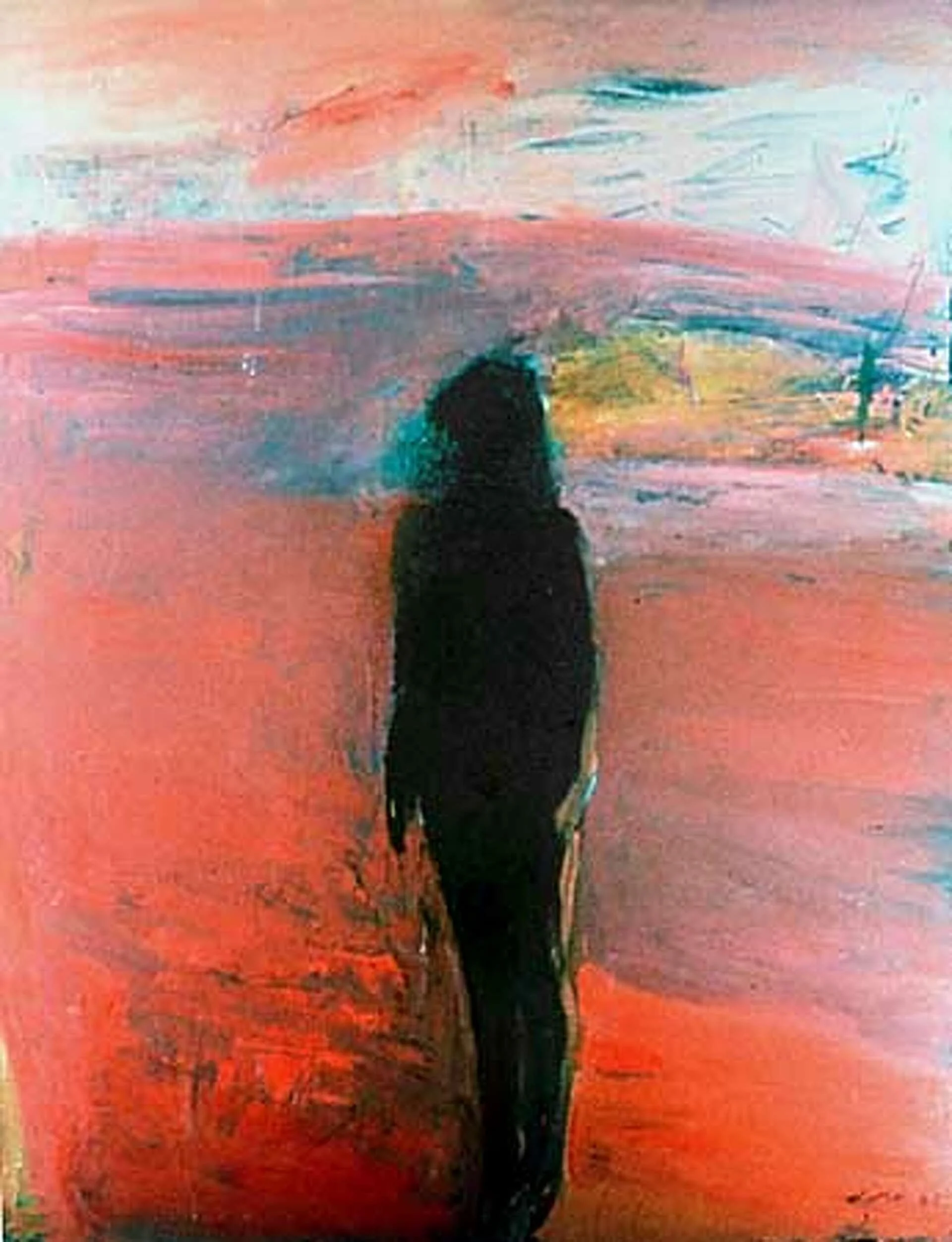
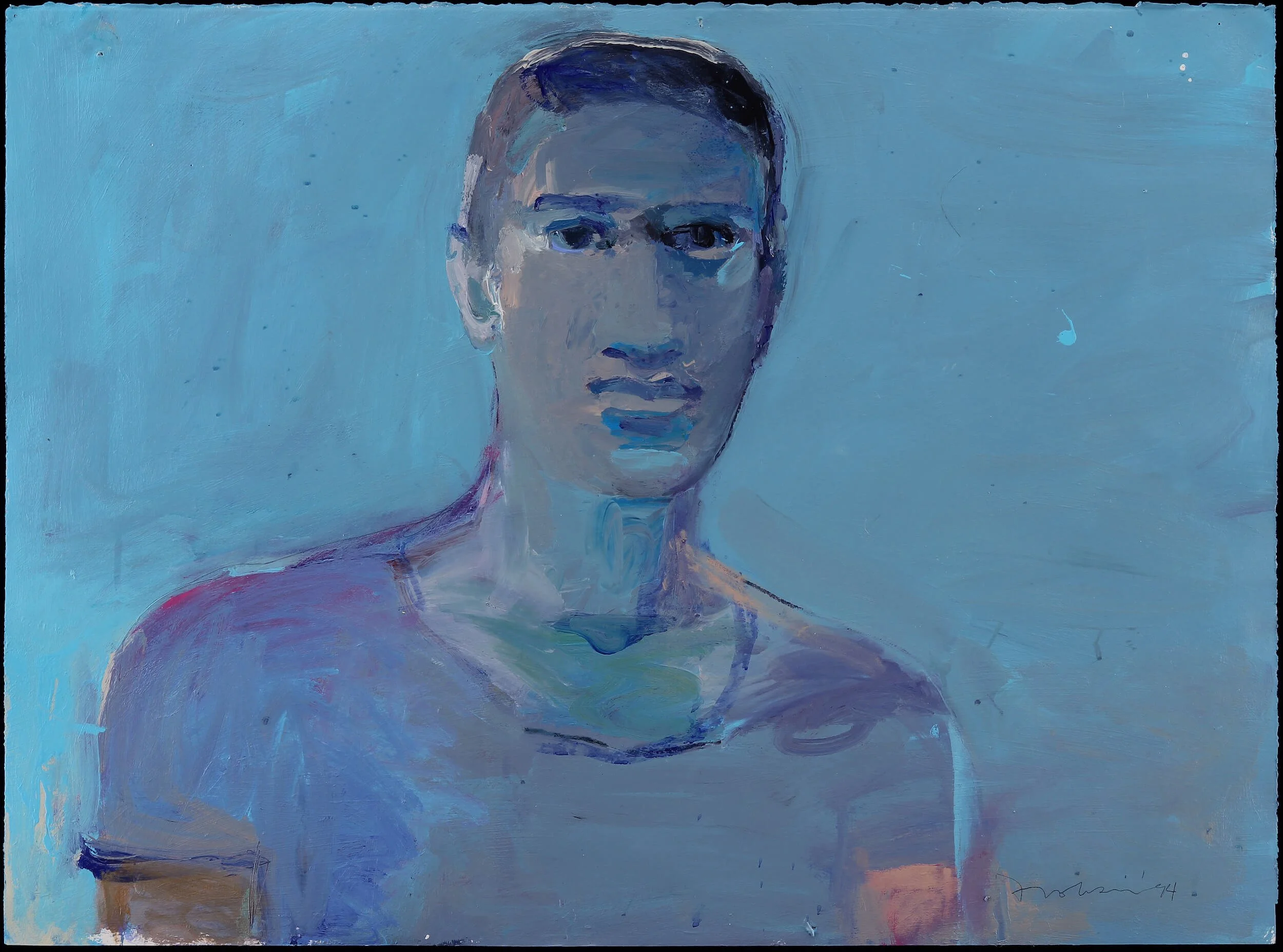
Boy in Blue Light, 1994
Acrylic on paper
22 in x 30 in
© Kim Frohsin