
Honoring,
Educating,
Elevating.
The Bay Area Figuration Movement shaped some of the most vital painting and sculptureof the 20th century — and the conversation about what it means is still very much alive.
We're in the early stages of imagining what BAYFig programs might look like: gatherings where artists, scholars, collectors, and community voices can think honestly together about what the movement was, what it is, and where it might go.
When it comes to BAYFig, we’re committed to Honoring, Educating, and Elevating. What you see here are sketches, starting points, and we hope you will be part of shaping it.
Imagine the possibilities …
-
Lectures by leading art scholars, curators, and artists
-
Conversations on relevant issues in art, history, and society.
-
Expand themes through archival and contemporary footage.
-
Networking for artists, researchers, and professionals.
-
Visits to local museums and cultural institutions of note.
-
Opportunities to reflect on and reinterpret the legacy of Bay Area Figurative Art.
Let’s learn from each other
Together we can discover synergies, opportunities, meaning and joy.
-
Gain fresh angles for research, publishable material, and engagement with a movement often neglected in mainstream narratives.
-
Discover new curatorial angles, underexposed artists, and connections for traveling or local exhibitions.
-
Source of inspiration; connect personal practice to historical lineage; chance to participate in workshops and live art events.
-
Curriculum resources and teaching guides for integrating the Bay Area Figurative Movement into art history courses.
-
Opportunities to highlight untapped archives, collaborate on digitization and storytelling.
-
Access to engaging programming, art experiences, and a deeper connection to local Bay Area art history.
and debate historical timelines : )





“
Bay Area Figurative painting grew out of Abstract Expressionism and sought to bring its subjectivity more closely in line with the objective world.
—Thomas Albright
Art Critic
FAQ
Thank you for your interest in BAYFIG. We trust this FAQ can answer some of your questions and open up a dialogue.
-
We are in the early stages of imagining and building our programming.
What we envision includes lectures and presentations by leading art scholars, curators, and artists; panel discussions on art, history, and society; film screenings, artist meetups and professional networking; art tours and visits to Bay Area cultural institutions; and legacy-building events that explore how this movement's ideas live on today.
-
We are in the planning and early development phase. Our inaugural programming is not yet scheduled, but we are actively building toward it.
The best way to stay informed about upcoming events is to join our mailing list. We'll share news as soon as programs are confirmed.
-
A conference was where this all began, and it remains a significant aspiration. Details around timing, venue, and format are still being developed.
What we can say is that any BAYFig gathering will be substantive: designed to bring artists, scholars, curators, educators, and community members into honest, generative conversation about the movement's past, present, and future.
-
The Bay Area Figurative Movement is a rich and underexplored area of American art history, and we intend to help change that. We are building toward programming that offers fresh research angles, opportunities for publication and presentation, and connection with a community of scholars, curators, and artists who take this movement seriously.
If you are working in this space, we want to know you.
-
Absolutely. BAYFig exists in part because honoring the past raises the cultural standing of figurative art in the Bay Area today — what we think of as 'floating the boat.'
If you are a Bay Area artist working in the figurative tradition, we see you as a direct continuation of the lineage we're dedicated to sustaining.
We want to support your visibility and create space for your voice in conversations about the movement's ongoing relevance.
-
We are considering developing curriculum resources and teaching guides for integrating the Bay Area Figurative Movement into art history courses at the secondary and university level. The movement offers a compelling, regionally specific entry point into broader conversations about postwar American art, identity, and cultural change.
If you have ideas about what educators need, we'd love to hear them.
-
Yes, and we are eager for these connections. We are interested in curatorial partnerships, traveling exhibition possibilities, digitization collaborations, and any opportunity to collaborate with interested institutions in developing materials and programs.
-
Supporting living artists is central to our mission, not an afterthought. We believe that when we raise public awareness of the progenitors, we raise the cultural context for everyone working in that tradition today.
As our programs develop, we plan to create specific opportunities for visibility, connection, and community for current Bay Area figurative artists.
Sign up for our mailing list to stay informed about pertinent programming.
Image Credits
(In order on page)
-
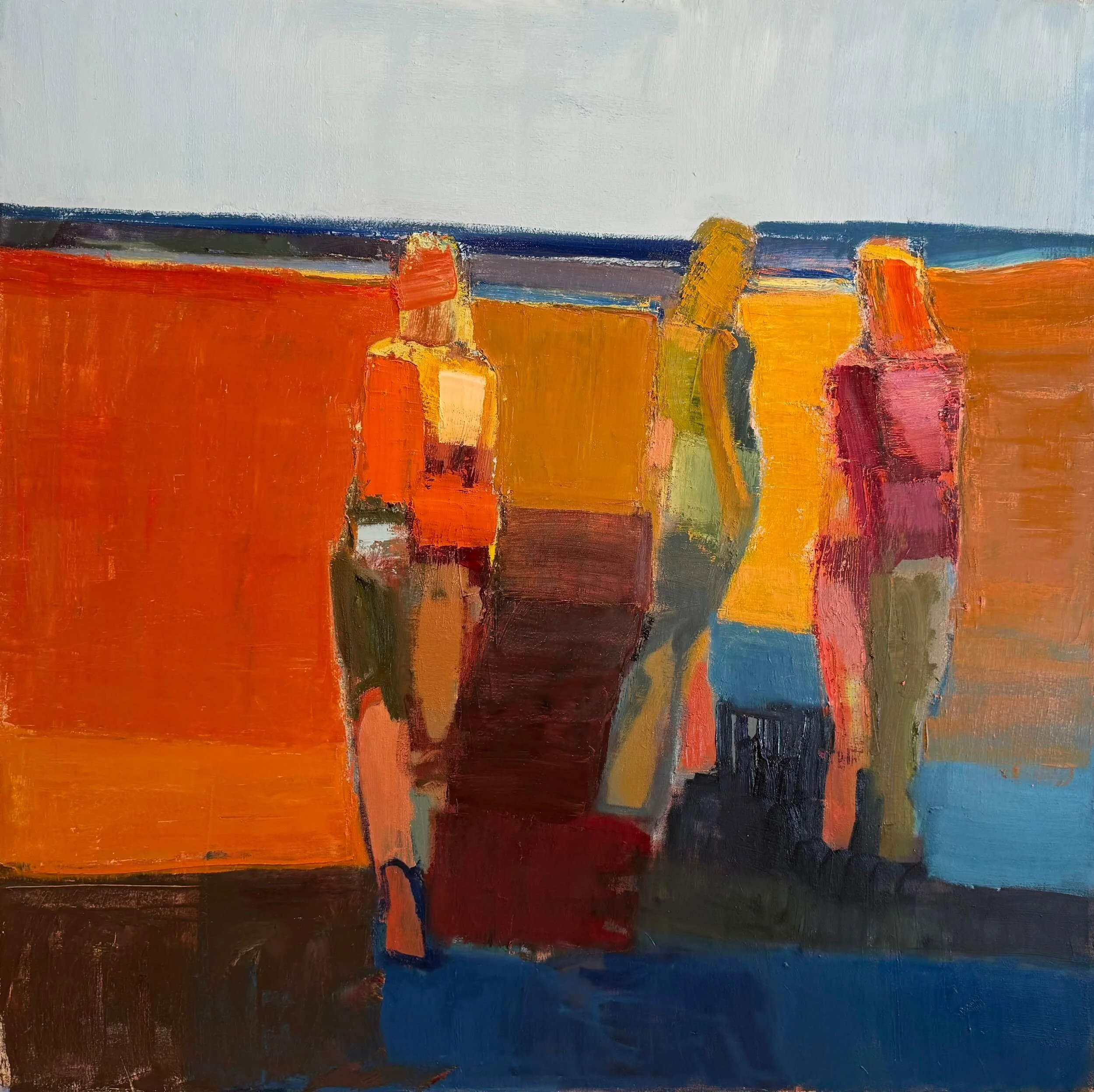
Golden Hour, 2026
oil on canvas
48 x 48 inches
© Sandy Ostrau -
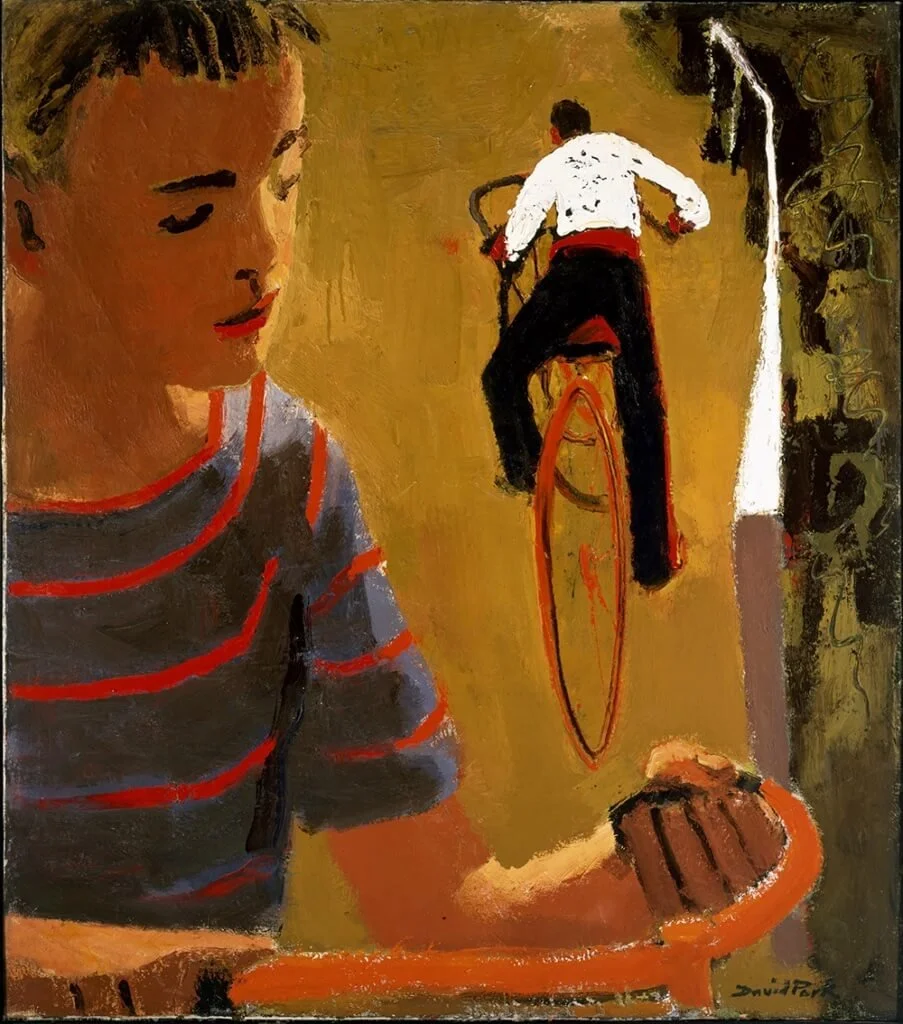
Kids on Bikes, 1950
oil on canvas
48 x 42 inches
Collection of Myron Kunin
© Estate of David Park; courtesy Natalie Park Schutz, Helen Park Bigelow, and Hackett Mill, San Francisco -
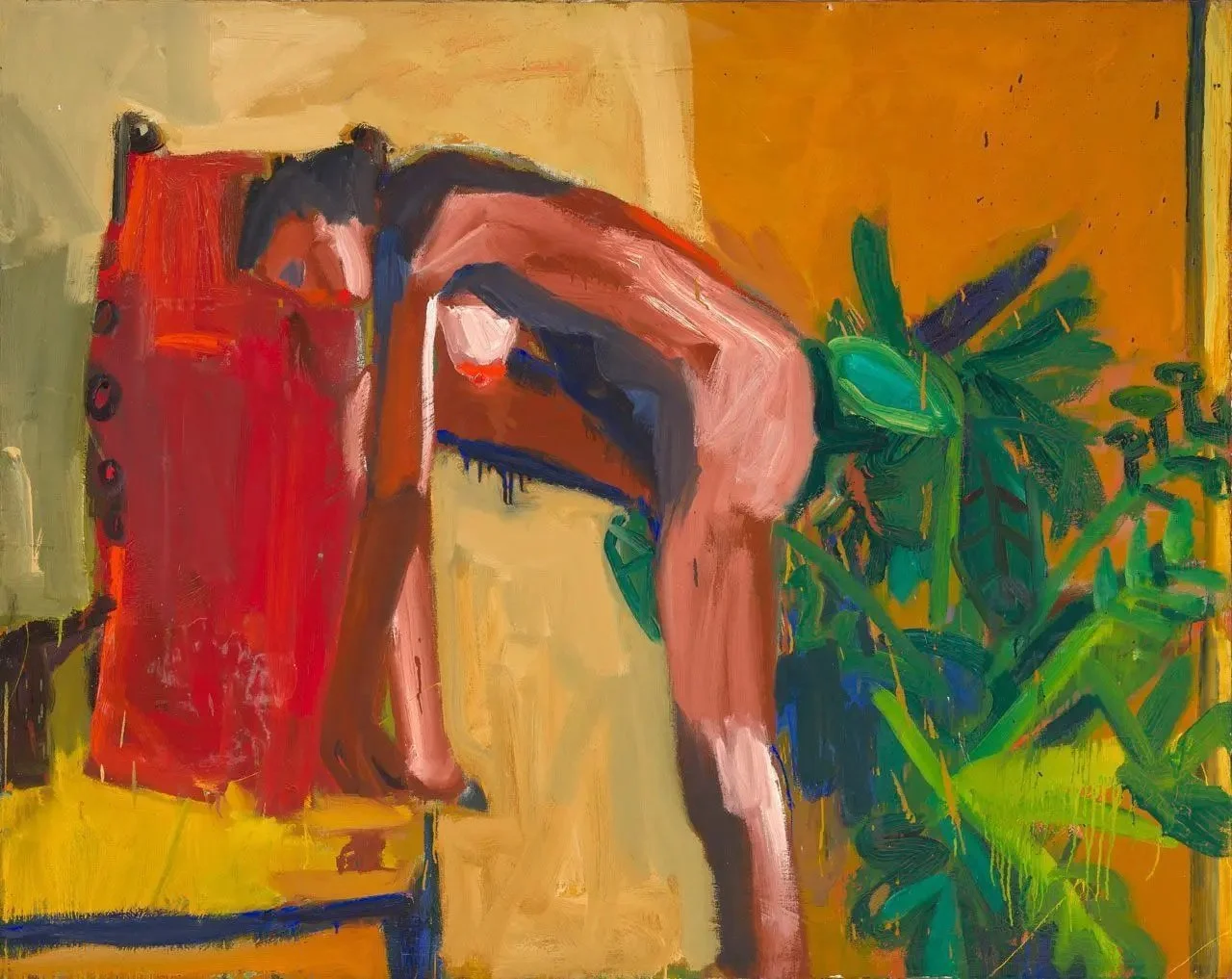
Abstract, 1957
oil on canvas
50 in. x 62-1/4 in.
Crocker Art Museum, gift of Rebecca and Charles Daggs, 2021.91.1
© The Estate of Joan Brown -
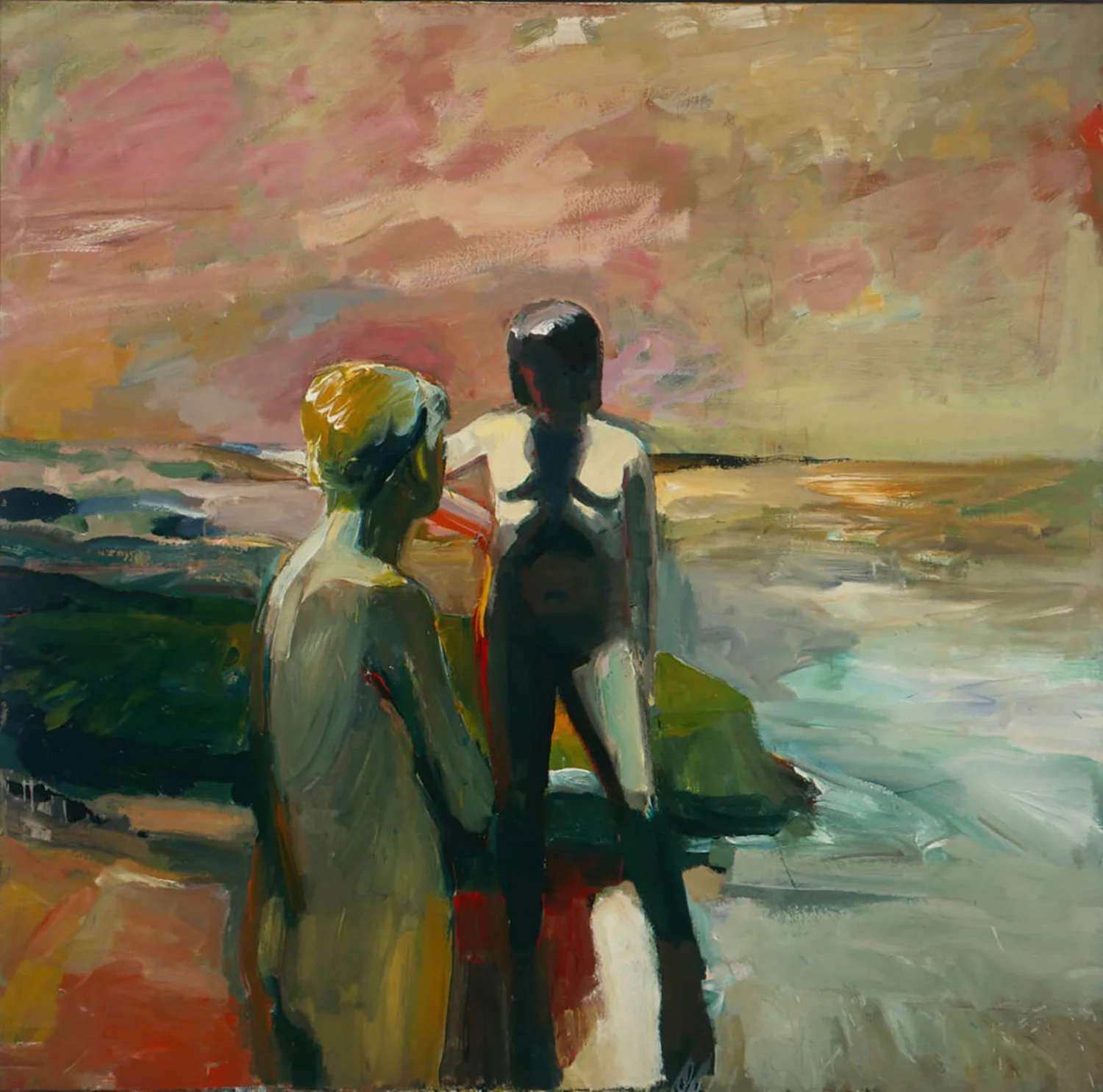
Two Figures at the Seashore, 1957
oil on canvas
56-7/8 x 56-7/8 inches
Orange County Museum of Art, Museum purchase with additional funds provided by the National Endowment for the Arts, a federal agency, 1979.007
© The Estate of Elmer Bischoff